
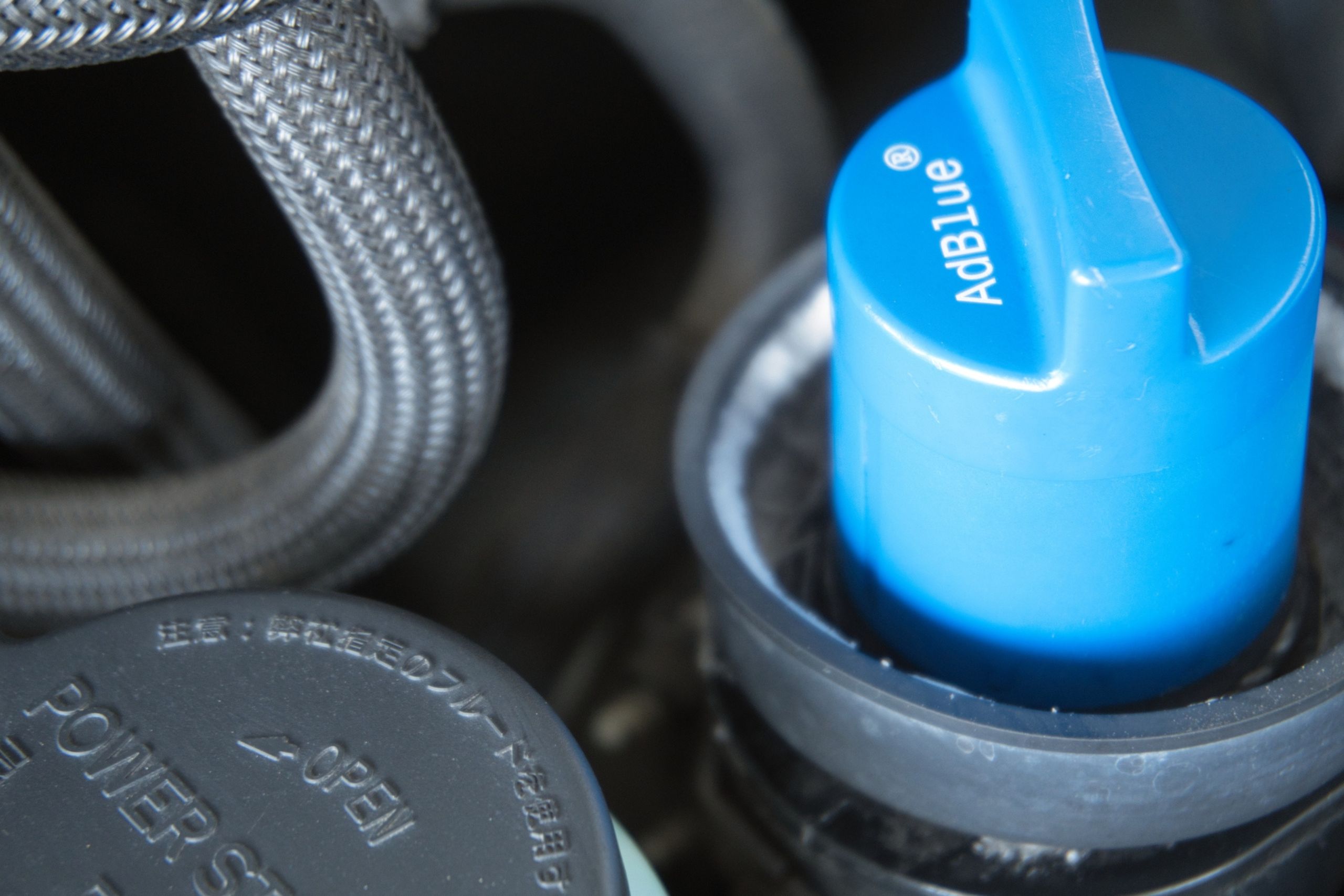
If you own a modern diesel vehicle, chances are you’ve heard of AdBlue. It’s one of those terms that pops up on your dashboard unexpectedly, often leaving drivers wondering whether it’s urgent, optional or just another upsell at a service centre. The truth is, AdBlue is essential, not just for your engine’s performance, but also for the environment and legal compliance.
Let’s break down what AdBlue is, why it matters, and what every diesel owner needs to know.
What Is AdBlue?
AdBlue is a clear, non-toxic fluid made from 32.5% high-purity urea and 67.5% deionised water. It isn’t a fuel additive and it doesn’t mix with your diesel. Instead, it works as part of a Selective Catalytic Reduction (SCR) system in modern diesel vehicles.
Its purpose? To reduce harmful nitrogen oxide (NOx) emissions, one of the key pollutants produced by diesel engines. When injected into the exhaust system, AdBlue reacts with the gases to convert NOx into harmless nitrogen and water vapour.
Why Do Diesel Vehicles Need It?
Due to stricter environmental standards in Australia and around the world, many manufacturers, especially those producing utes, SUVs, trucks and vans, use SCR systems. Without AdBlue, these vehicles can’t meet emissions regulations, meaning:
- It’s essential for compliance
- It protects the environment
- It helps maintain engine efficiency
- It prevents costly fines and penalties for commercial fleet owners
Simply put, if your vehicle uses AdBlue, it must always have enough in the system.
What Happens If You Run Out?
Think of AdBlue like diesel, if you run out, you’re not going anywhere.
Your car will typically give you plenty of warning before AdBlue levels get too low. However, ignore the warning long enough, and the vehicle will enter limp mode or refuse to start until it is refilled. This isn’t a fault, it’s built into the system to ensure emissions compliance.
Running out won’t usually damage your engine, but it will stop your vehicle from operating, so it’s something you never want to ignore.
How Often Should You Refill AdBlue?
Usage varies depending on driving style and vehicle type, but as a general guide, most vehicles use 1–2 litres per 1,000 km.
Signs it’s time for a top-up include:
- Dashboard AdBlue warning light
- “Refill AdBlue” or “No Start in X km” message
- Strong ammonia smell near rear exhaust (if leaking)
Many drivers top up AdBlue during regular servicing, but if you travel long distances or tow, you may need to refill more often.
Can You Refill AdBlue Yourself?
Yes, and AdBlue is widely available. But it’s important to:
- Use high-quality AdBlue
- Store it away from heat and sunlight
- Avoid spills, it can crystallise and damage components
- Never substitute with water or any other fluid
If you’d prefer peace of mind, let a professional do it.
Trust Auto Leaders with Your Diesel
Diesel engines are tough, reliable and built to work — but they also come with unique servicing needs. At Auto Leaders, our technicians are experienced with modern diesel systems, including AdBlue and DPF maintenance.
When you service your diesel with Auto Leaders, you get:
- Correct AdBlue top-ups
- Professional diagnostics & DPF system checks
- High-quality filters & fluids
- Logbook-approved servicing
- Experienced diesel and 4WD technicians
Our goal is to keep your diesel performing at its best, clean, powerful and reliable on every drive.