
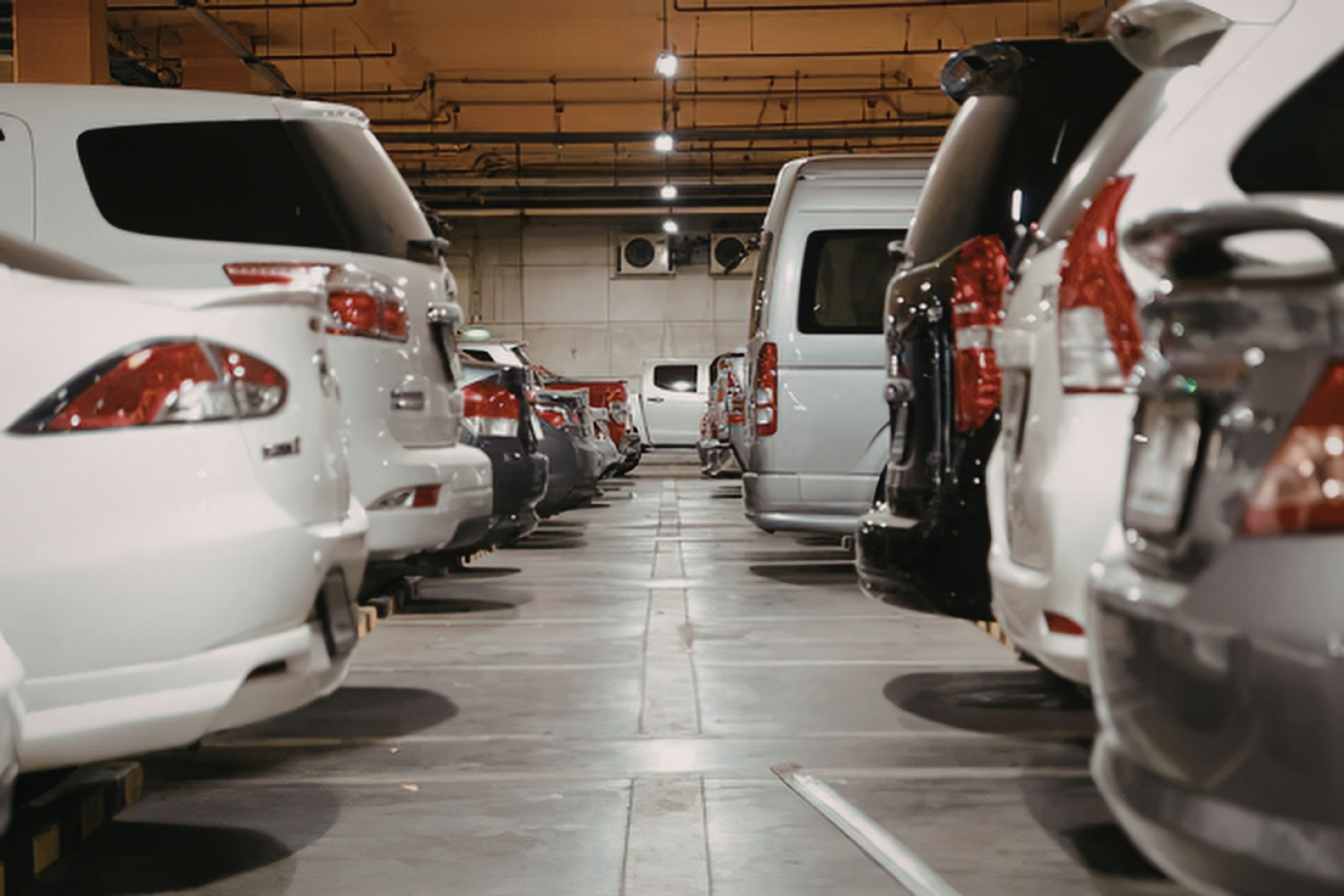
It might sound surprising, but a car that isn’t driven often can develop just as many problems as one that’s constantly on the road. Many drivers assume low mileage vehicles means fewer issues, but when a vehicle sits idle for long periods, a different set of risks begins to build up behind the scenes.
If your car spends more time parked than driving, here’s what you need to know.
Battery Drain and Failure
Your car battery naturally loses charge over time, even when the vehicle isn’t in use. Modern cars also have electronics that continue to draw small amounts of power while parked, such as alarms and onboard systems.
If the car isn’t driven regularly, the battery doesn’t get a chance to recharge properly. This can lead to a flat battery when you least expect it, or shorten the overall lifespan of the battery altogether.
Tyre Flat Spots and Deterioration
When a car sits in the same position for extended periods, the weight of the vehicle can cause flat spots to develop on the tyres. This can lead to vibrations when driving and uneven tyre wear over time.
Additionally, tyres can slowly lose pressure and begin to deteriorate, especially in Queensland’s heat. Even if they look fine, they may not perform as safely as they should when you get back on the road.
Fluids Breaking Down
Fluids like engine oil, coolant, and brake fluid don’t just wear out from driving, they also degrade over time. When a car sits idle, these fluids can settle, absorb moisture, or lose their effectiveness.
This can lead to reduced lubrication, corrosion within components, and potential damage when the vehicle is eventually driven again.
Fuel Degradation
Petrol doesn’t stay fresh forever. When left sitting in the tank for long periods, fuel can begin to break down and form deposits. This can affect how efficiently your engine runs and may even clog parts of the fuel system.
If your car is only used occasionally, this is something that can quietly impact performance without obvious warning signs.
Seals, Hoses, and Moving Parts
Cars are designed to be used. When they’re not, seals and rubber components can begin to dry out and crack. This can lead to leaks, reduced performance, and unexpected repair issues down the track.
Moving parts also benefit from regular use. Without it, components can stiffen or wear unevenly when finally put back into action.
Keeping a Low-Use Vehicle in Good Condition
If your car isn’t driven often, there are a few simple steps you can take to minimise these risks:
- Start and drive the vehicle regularly, even for a short extended run
- Check tyre pressure and condition periodically
- Keep up with scheduled servicing, regardless of kilometres travelled
- Consider a battery maintainer if the car sits for long periods
- Don’t Let Sitting Still Cost You
Low mileage doesn’t always mean low maintenance. In fact, cars that sit idle can develop hidden issues that only become apparent when it’s too late.
If your vehicle isn’t used regularly, a routine check can help identify potential problems early. The team at Auto Leaders can assess your vehicle, ensure everything is in good working order, and help you avoid unnecessary surprises.
Book a service today and keep your car ready to go, whenever you need it.