
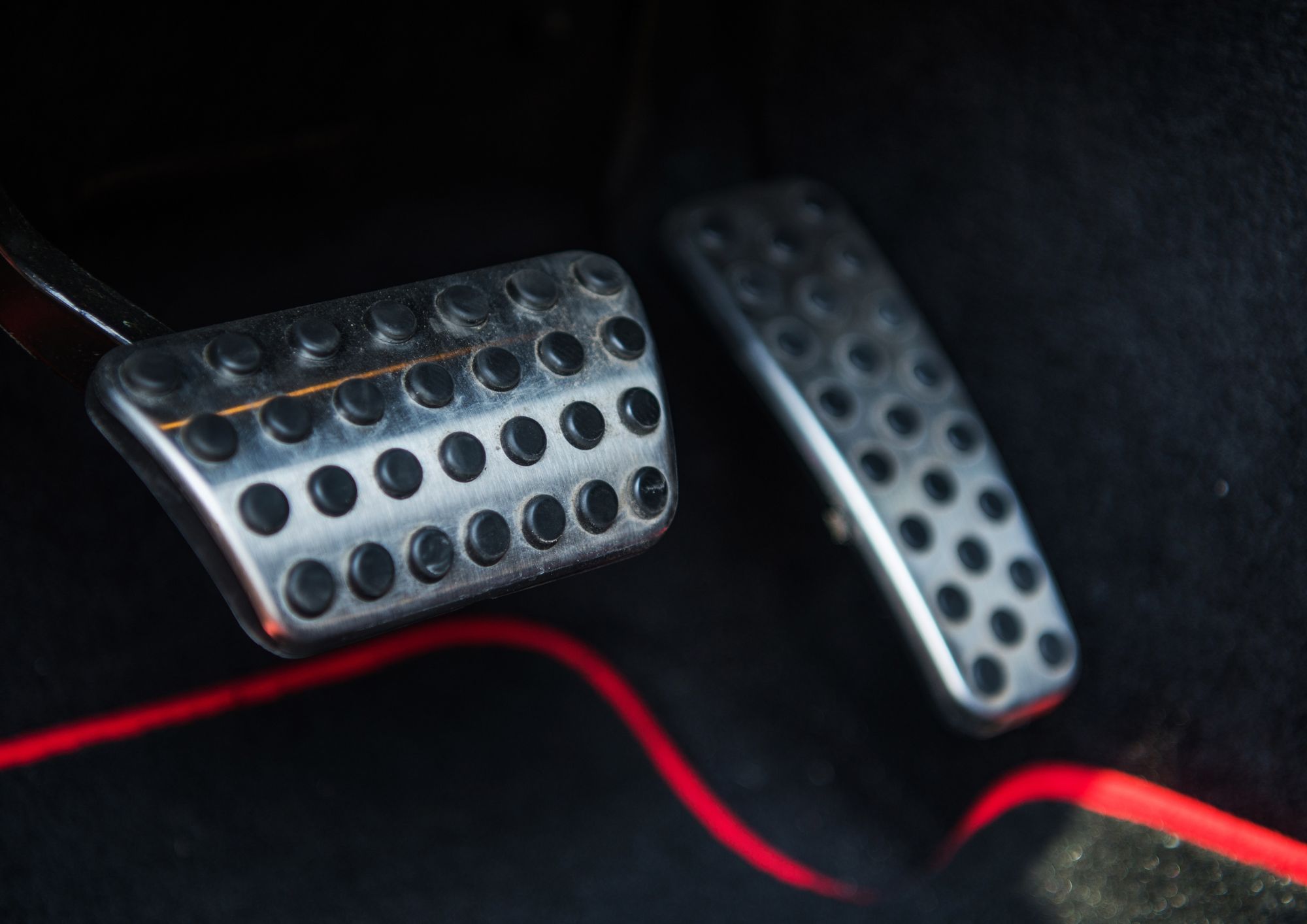
Few things are more unsettling than feeling your steering wheel or brake pedal vibrate every time you slow down. If you’ve found yourself asking, “Why does my car shake when I brake?”, it’s important not to ignore the problem.
A car that shakes or vibrates while braking is often a sign that one or more components in your braking or suspension system require attention. While some causes are relatively minor, others can affect your ability to stop safely, putting both you and other road users at risk.
The good news is that most braking issues can be diagnosed and repaired before they become major problems. Understanding the common causes of brake vibration can help you recognise the warning signs early and avoid more expensive repairs in the future.
Is It Safe to Drive If My Car Shakes When I Brake?
The answer depends on how severe the vibration is and what is causing it.
If the shaking is mild and only occurs occasionally, you may be able to drive a short distance to a trusted mechanic. However, if the vibration is severe, your steering becomes difficult to control, or you hear grinding or knocking noises, you should have your vehicle inspected immediately.
Brakes are one of the most important safety systems on your vehicle, and any unusual behaviour should never be ignored.
Warped Brake Rotors Are a Common Cause
One of the most common reasons a vehicle shakes under braking is worn or uneven brake rotors (also known as brake discs).
Over time, repeated heating and cooling during braking can cause the rotor surface to wear unevenly. When your brake pads press against an uneven rotor, you’ll often feel a vibration through the steering wheel or brake pedal.
Common symptoms include:
- Steering wheel shaking while braking
- Brake pedal pulsating under your foot
- Vibration that becomes worse at higher speeds
- Squealing or scraping noises
Depending on the condition of the rotors, they may be able to be machined or may need replacing.
Worn Brake Pads Can Cause Vibration
Brake pads naturally wear down over time.
When they become excessively worn, they may no longer make even contact with the brake rotors, leading to vibration, squealing or reduced braking performance.
Signs your brake pads may need replacing include:
- Squeaking when braking
- Grinding noises
- Reduced stopping power
- Dashboard brake warning light
- Vehicle pulling during braking
Replacing worn brake pads early is far more affordable than waiting until they damage your brake rotors.
Wheel Alignment and Suspension Problems
Not every vibration under braking is caused by the braking system itself.
Loose or worn suspension components, damaged bushes, worn ball joints or poor wheel alignment can all create vibration, particularly when braking from higher speeds.
If your vehicle also pulls to one side, feels unstable or has uneven tyre wear, your mechanic may inspect the suspension and steering systems as part of the diagnosis.
Wheel Bearings Can Create Brake Vibrations
Wheel bearings allow your wheels to rotate smoothly.
As they wear, they may develop excess movement, causing vibration that becomes more noticeable during braking.
You may also notice:
- A humming or growling noise
- Vibration while driving
- Steering instability
- Uneven tyre wear
Faulty wheel bearings should be repaired promptly to prevent further damage and maintain safe handling.
Tyres Can Also Be the Culprit
Sometimes the problem isn’t the brakes at all.
Damaged tyres, uneven tread wear or wheel balance issues can create vibrations that become more obvious while slowing down.
Your mechanic will usually inspect your tyres for:
- Flat spots
- Uneven wear patterns
- Incorrect tyre pressure
- Wheel balancing issues
- Tyre damage
Correcting these issues not only improves braking performance but also extends tyre life.
Why You Shouldn’t Ignore Brake Vibrations
Many drivers continue driving for weeks or months hoping the vibration will disappear.
Unfortunately, brake problems almost always become worse over time.
Ignoring brake vibration can result in:
- Increased stopping distances
- Damage to brake rotors
- Premature brake pad wear
- Suspension damage
- Reduced vehicle control
- More expensive repairs
Having the problem diagnosed early is usually the safest and most cost-effective option.
How Mechanics Diagnose Brake Shaking
At Auto Leaders, our technicians carry out a thorough inspection to identify exactly what’s causing the vibration.
Depending on your vehicle, this may include:
- Inspecting brake pads and rotors
- Measuring rotor thickness and runout
- Checking brake calipers
- Examining suspension components
- Inspecting wheel bearings
- Checking wheel alignment
- Road testing the vehicle
By accurately diagnosing the issue, we can recommend the most appropriate repair rather than replacing parts unnecessarily.
How Regular Servicing Helps Prevent Brake Problems
Routine servicing plays an important role in keeping your braking system operating safely.
During a scheduled service, brake components are inspected for wear, brake fluid is checked, and any developing issues can often be identified before they become more serious.
Regular maintenance helps improve safety while reducing the likelihood of unexpected repair bills.
Trust Auto Leaders for Brake Repairs and Inspections
If you’ve been wondering, “Why does my car shake when I brake?”, don’t wait until the problem gets worse.
At Auto Leaders, our experienced technicians can quickly diagnose brake vibrations and recommend the right solution to restore your vehicle’s safety and performance. Whether it’s worn brake pads, brake rotors, suspension components or wheel bearings, we’ll ensure your vehicle is repaired to the highest standard.
Book a brake inspection with your nearest Auto Leaders workshop today and enjoy the confidence that comes with safe, reliable braking.
Frequently Asked Questions
Why does my steering wheel shake when I brake?
The most common cause is uneven or worn brake rotors. However, worn suspension components, wheel bearings or wheel alignment issues can also cause steering wheel vibration while braking.
Is it dangerous if my car shakes when I brake?
It can be. Brake vibration often indicates worn braking or suspension components that may reduce your vehicle’s stopping performance. It’s best to have the problem inspected as soon as possible.
Can worn brake pads make my car shake?
Yes. Worn or uneven brake pads can create vibration, particularly if they have also caused damage to the brake rotors.
Will replacing my brake pads stop the vibration?
Not always. If the brake rotors have become warped or worn, they may also need machining or replacement. A proper inspection will identify the exact cause.
Can wheel alignment cause my car to shake when braking?
Yes. Poor wheel alignment or worn suspension components can contribute to vibration, especially during braking at higher speeds.
How much does it cost to fix a car that shakes when braking?
The cost depends on the underlying cause. Replacing worn brake pads is generally less expensive than replacing brake rotors, wheel bearings or suspension components. An inspection by a qualified mechanic will determine the most appropriate repair.