
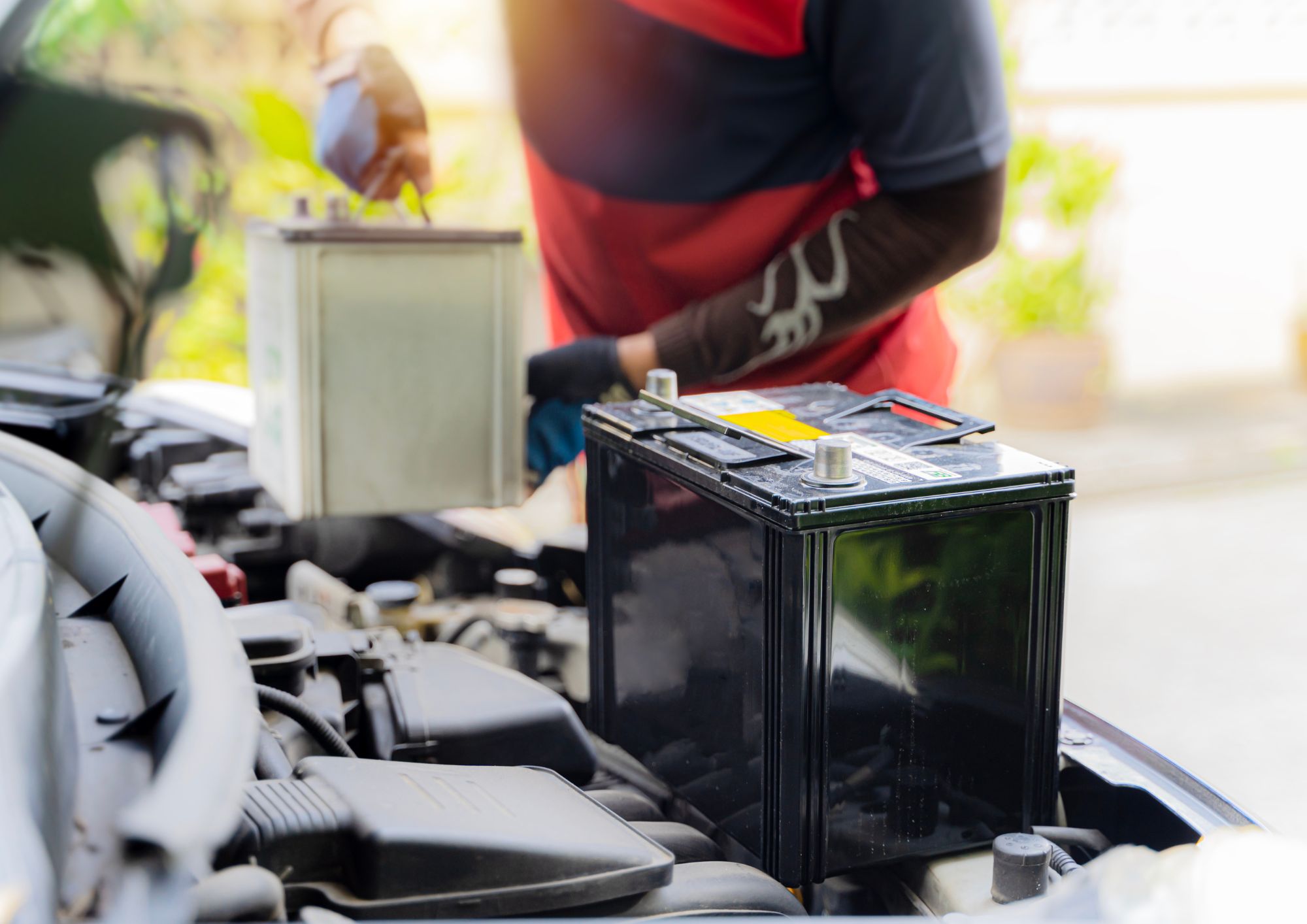
Your car battery is one of the hardest-working components in your vehicle, yet it’s often overlooked until there’s a problem. If you’ve ever been stranded with a flat battery, you’ll know just how inconvenient it can be. A common question many drivers ask is, “How often should you replace your car battery?”
The answer depends on several factors, including your driving habits, the climate, the quality of the battery and how well your vehicle is maintained. While some batteries last longer than others, waiting until your battery completely fails can leave you stuck at home, at work or on the side of the road.
In this guide, we’ll explain how long a car battery typically lasts, the warning signs it’s nearing the end of its life and how regular servicing can help you avoid unexpected breakdowns.
How Long Does a Car Battery Usually Last?
Most car batteries last between three and five years under normal driving conditions.
However, there is no exact replacement schedule that suits every vehicle. Some batteries may need replacing sooner, while others continue performing well beyond five years.
Several factors can affect battery life, including:
- Australia’s hot climate
- Frequent short trips
- Long periods without driving
- Heavy use of electrical accessories
- Battery quality
- Vehicle age
If your battery is approaching the three-year mark, it’s worth having it tested during your regular vehicle service.
Why Australia’s Climate Affects Battery Life
Many people assume cold weather is the biggest enemy of a car battery, but in Australia, heat is often the greater concern.
High temperatures can cause battery fluid to evaporate more quickly, reducing the battery’s ability to hold a charge. Heat also accelerates internal corrosion, shortening the battery’s overall lifespan.
Queensland drivers, in particular, often experience shorter battery life due to consistently warm conditions throughout the year.
Signs Your Car Battery May Need Replacing
Your car will often give you warning signs before the battery completely fails.
Slow Engine Cranking
If your engine is taking longer than usual to start, your battery may not be supplying enough power.
A slow or sluggish start is often one of the first signs of a weakening battery.
Dashboard Battery Warning Light
If the battery warning light appears on your dashboard, don’t ignore it.
While the warning doesn’t always mean the battery itself is faulty, it does indicate there’s a problem somewhere within the charging system that should be investigated.
Dim Headlights
A weak battery can affect your vehicle’s electrical performance.
If your headlights appear dimmer than usual, particularly when the engine is idling, your battery or charging system may need attention.
Electrical Accessories Acting Strangely
Modern vehicles rely heavily on electrical systems.
If you notice slow power windows, infotainment screens restarting, dashboard displays flickering or other unusual electrical behaviour, your battery may be losing its ability to supply consistent voltage.
Frequent Jump Starts
Needing one jump start could simply be bad luck.
Needing multiple jump starts over a short period almost always indicates that your battery or charging system requires professional attention.
Can Short Trips Damage Your Battery?
Yes.
Many drivers only use their vehicle for short trips around town.
Unfortunately, short journeys often don’t give the alternator enough time to fully recharge the battery after starting the engine.
Over time, this repeated partial charging can shorten battery life considerably.
If you mainly drive short distances, consider taking your vehicle for a longer drive every week or two to help keep the battery fully charged.
Does Leaving Your Car Parked Drain the Battery?
It can.
Even when your vehicle is switched off, certain systems continue drawing small amounts of power.
These may include:
- Alarm systems
- Keyless entry
- Clock
- Vehicle computers
- Security modules
Leaving a vehicle parked for several weeks without driving may result in a flat battery, particularly if it’s already nearing the end of its lifespan.
Should You Replace Your Battery Before It Fails?
In many cases, yes.
Replacing an ageing battery before it fails completely is often far more convenient than waiting until you’re stranded.
A professional battery test can measure your battery’s health and determine whether replacement is recommended before problems occur.
Preventative replacement is particularly worthwhile before long road trips or holiday travel.
How Is a Car Battery Tested?
At Auto Leaders, battery testing is quick, accurate and non-invasive.
Using specialised testing equipment, our technicians can assess:
- Battery voltage
- Cold cranking performance
- Remaining battery capacity
- Charging system performance
- Alternator output
Testing allows us to identify weakening batteries before they fail unexpectedly.
Can Regular Servicing Extend Battery Life?
Absolutely.
Routine servicing helps ensure your battery and charging system remain in good condition.
During a service, your mechanic can inspect battery terminals for corrosion, check charging performance and identify any developing issues before they leave you stranded.
Preventative maintenance is one of the simplest ways to improve your vehicle’s reliability.
Trust Auto Leaders to Keep You Moving
If you’re wondering, “How often should you replace your car battery?”, the safest approach is to have it tested regularly rather than waiting for it to fail.
At Auto Leaders, our experienced technicians can assess your battery’s condition, test your charging system and recommend replacement only when it’s genuinely needed. Whether you’re preparing for a road trip or simply want peace of mind, we’ll help keep your vehicle reliable all year round.
Book your next vehicle service or battery health check with your nearest Auto Leaders workshop and avoid the inconvenience of an unexpected flat battery.
Frequently Asked Questions
How often should you replace your car battery?
Most car batteries last between three and five years, although factors such as climate, driving habits and battery quality can affect their lifespan. Regular battery testing is the best way to determine when replacement is needed.
What are the signs my car battery needs replacing?
Common warning signs include slow engine cranking, dim headlights, dashboard battery warning lights, electrical issues and needing frequent jump starts.
Can hot weather reduce the life of a car battery?
Yes. Australia’s hot climate can shorten battery life by increasing fluid evaporation and accelerating internal corrosion, particularly in warmer regions like Queensland.
Should I replace my battery before it goes flat?
Yes. Replacing an ageing battery before it fails can help prevent unexpected breakdowns and reduce the risk of being stranded.
Can a mechanic test my battery during a service?
Absolutely. During a routine service, your mechanic can perform a battery health test to check its condition, charging capacity and overall performance.
How can I make my car battery last longer?
You can help extend battery life by driving regularly, avoiding excessive short trips, keeping battery terminals clean, turning off electrical accessories when the engine isn’t running and having your battery checked during routine servicing.